
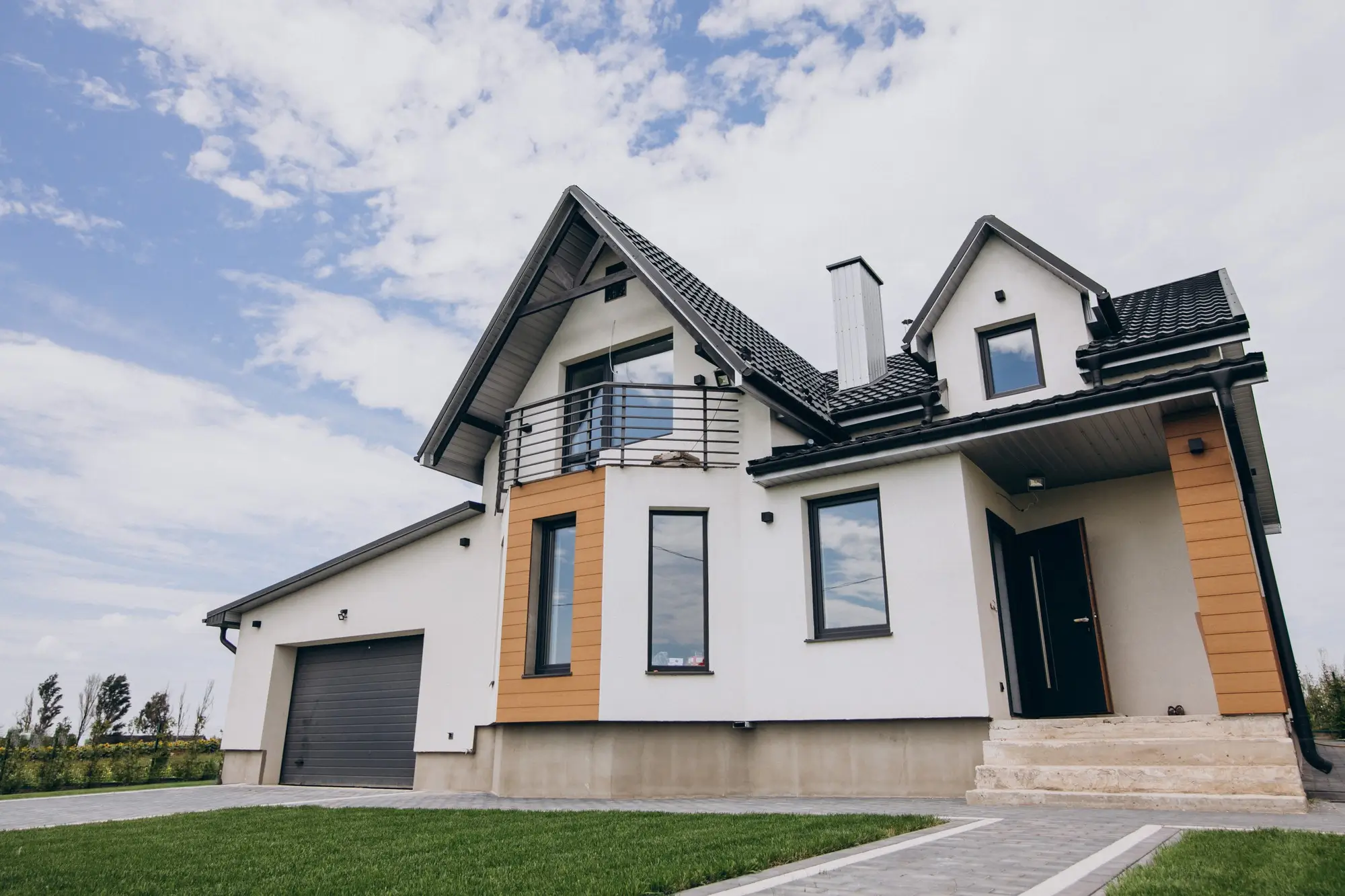
Real estate development is about more than constructing homes, offices, and commercial spaces. The most successful developments are designed to create places where people can live, work, connect, and grow together.
As cities continue to expand and communities evolve, smart real estate development is becoming increasingly important. Thoughtful planning, sustainable design, modern technology, and a strong understanding of residents’ needs can help create communities that are comfortable, connected, and built for the future.
Understanding Smart Real Estate Development
Smart real estate development focuses on creating properties that provide long-term value for residents, businesses, investors, and the surrounding community.
Instead of focusing only on the physical building, developers consider factors such as transportation, green spaces, public facilities, technology, sustainability, accessibility, and community engagement.
A smart development should answer an important question: How can this project improve the way people live and interact with their surroundings?
When these elements are considered from the beginning, real estate projects can become valuable parts of the wider community rather than isolated developments.
Creating Communities, Not Just Buildings
Traditional property development often focuses primarily on individual buildings. Modern development takes a broader approach by considering how people will use and experience the entire neighbourhood.
A well-planned community may include residential properties, retail spaces, recreational areas, parks, walking paths, schools, healthcare facilities, and community spaces.
These elements can encourage people to spend more time outdoors, interact with their neighbours, and build stronger connections within the community.
The goal is to create environments where people do not simply live but feel a genuine sense of belonging.
The Importance of Sustainable Development
Sustainability is becoming an essential part of responsible real estate development.
Developers are increasingly incorporating energy-efficient buildings, renewable energy, water conservation systems, green spaces, sustainable materials, and environmentally friendly construction practices.
Sustainable communities can help reduce energy consumption and operating costs while also creating healthier environments for residents.
Features such as solar energy, rainwater harvesting, natural lighting, efficient insulation, landscaped areas, and better waste management can contribute to a more sustainable future.
Designing Spaces That Encourage Connection
Strong communities are built around opportunities for people to connect.
Public and shared spaces can play an important role in encouraging social interaction. Parks, playgrounds, community halls, walking paths, cafés, fitness areas, and recreational facilities can provide places where residents naturally meet and interact.
Thoughtful design can make these spaces accessible and welcoming to people of different ages and backgrounds.
A development with well-designed shared spaces can create a stronger sense of community than one focused only on private residential areas.
Technology and Smart Communities
Technology is becoming an important part of modern real estate development.
Smart technology can improve security, convenience, energy efficiency, and property management.
Examples include:
- Smart security systems
- Digital access control
- Smart lighting
- Energy monitoring
- Connected building systems
- Digital maintenance services
- Smart parking solutions
- Community management applications
Technology can also help property managers understand how buildings and shared facilities are being used, allowing them to improve services and reduce unnecessary costs.
However, technology should support the community rather than replace human interaction.
Improving Connectivity and Accessibility
A successful community needs to be connected to the wider city.
Access to public transportation, roads, cycling routes, pedestrian paths, schools, healthcare facilities, shopping areas, and employment centres can significantly influence the quality of life within a development.
Developers should consider how residents will travel to work, school, shopping areas, and recreational destinations.
Walkable communities with convenient transportation options can reduce dependence on private vehicles while making everyday activities easier and more accessible.
Creating Inclusive Communities
Smart development should be designed for people with different needs, ages, lifestyles, and abilities.
Accessible entrances, pedestrian-friendly pathways, safe public spaces, children’s facilities, senior-friendly amenities, and inclusive recreational areas can help create communities that work for a wider range of residents.
Inclusive design ensures that developments remain useful and comfortable as residents’ needs change over time.
Supporting Local Businesses
Real estate development can also contribute to the local economy.
Including retail spaces, cafés, restaurants, offices, and service businesses within or near residential communities can create opportunities for local entrepreneurs while providing convenient services to residents.
A thriving local business environment can also increase activity within the neighbourhood and contribute to a stronger sense of place.
Developers can support local businesses by creating flexible commercial spaces and encouraging a diverse mix of services.
Prioritising Health and Well-Being
The design of the built environment can have a significant impact on people’s health and quality of life.
Modern communities are increasingly incorporating features that encourage physical activity, relaxation, and social interaction.
These can include:
- Walking and cycling paths
- Parks and green spaces
- Fitness facilities
- Outdoor recreation areas
- Natural lighting
- Quiet spaces
- Community gardens
- Wellness facilities
When communities make healthy choices easier and more convenient, residents can benefit from a better overall living experience.
Planning for Long-Term Growth
A successful real estate development should be designed with the future in mind.
Cities change over time, and communities may experience population growth, changing demographics, new transportation systems, and evolving technology.
Flexible development strategies allow communities to adapt to these changes.
Developers should consider how buildings, public spaces, infrastructure, and services can evolve as the needs of residents change.
Long-term planning can help ensure that a development remains valuable and relevant for many years.
The Role of Community Engagement
One of the most effective ways to create better communities is to understand what people actually need.
Community engagement can provide valuable insights into local priorities, concerns, and expectations.
Developers can gather feedback through consultations, surveys, public meetings, workshops, and other engagement initiatives.
Listening to residents and local stakeholders can help developers make better decisions and build greater trust throughout the development process.
Building Economic Value Alongside Social Value
Strong communities can also create long-term economic benefits.
Well-planned neighbourhoods with good infrastructure, attractive public spaces, convenient amenities, and strong connectivity can become more desirable places to live and work.
This can support property values, attract businesses, encourage investment, and contribute to local economic growth.
The relationship between social value and economic value is increasingly important in modern real estate development.
The Future of Smart Communities
The future of real estate development will increasingly focus on creating connected, sustainable, inclusive, and adaptable communities.
Technology will continue to improve the way buildings operate, while sustainable design will help reduce environmental impact. At the same time, thoughtful planning and community engagement will remain essential for creating places where people feel connected and supported.
The most successful developments will not simply be measured by the number of properties built. They will be measured by how effectively they improve people’s everyday lives.
Conclusion
Smart real estate development is about creating more than physical structures. It is about creating environments where people can live comfortably, connect with others, access essential services, and build a better future.
By combining thoughtful planning, sustainable design, modern technology, accessibility, community spaces, and long-term vision, developers can create places that provide lasting value for both residents and the wider community.
Ultimately, the strongest communities are built when real estate development puts people at the centre of every decision.